When visiting Fujian, are you looking to capture stunning photos with Quanzhou’s hairpin flowers, or would you make a special trip to Fuzhou just for a bowl of Fotiaoqiang (Buddha Jumps Over the Wall)?
Fujian boasts the Danxia wonders of Wuyi Mountain, a double World Heritage site, and the world-famous Fujian Tulou. The key advantage is high-speed rail access throughout the province—literally can stroll Gulangyu Island’s beaches in the morning and be savoring snacks at Fuzhou’s Three Lanes and Seven Alleys by afternoon. Explore ancient temples, immerse yourself in Minnan culture, and shoot travel vlogs straight from your phone.
Trip Highlights
Fuzhou, the cultural heart of Min capital, features the Ming-Qing ancient street of Three Lanes and Seven Alleys, traditional delicacies like Fotiaoqiang and fish balls, blending provincial capital economy with historical heritage.
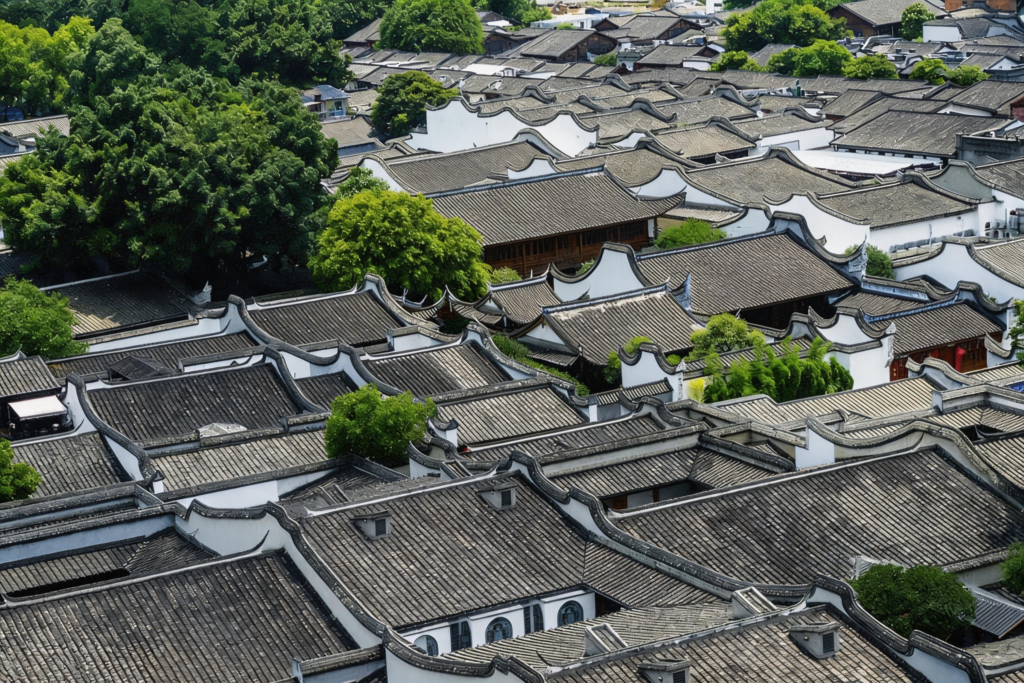
Three Lanes and Seven Alleys preserves ancient architectural complexes from the Ming-Qing dynasties to modern times. Visit the Love Tree and experience Min capital culture.
Xichan Temple houses lychee trees dating back to the Song Dynasty, bearing sweet fruits. The temple’s name “Xichan” originates from Buddhist Zen culture.
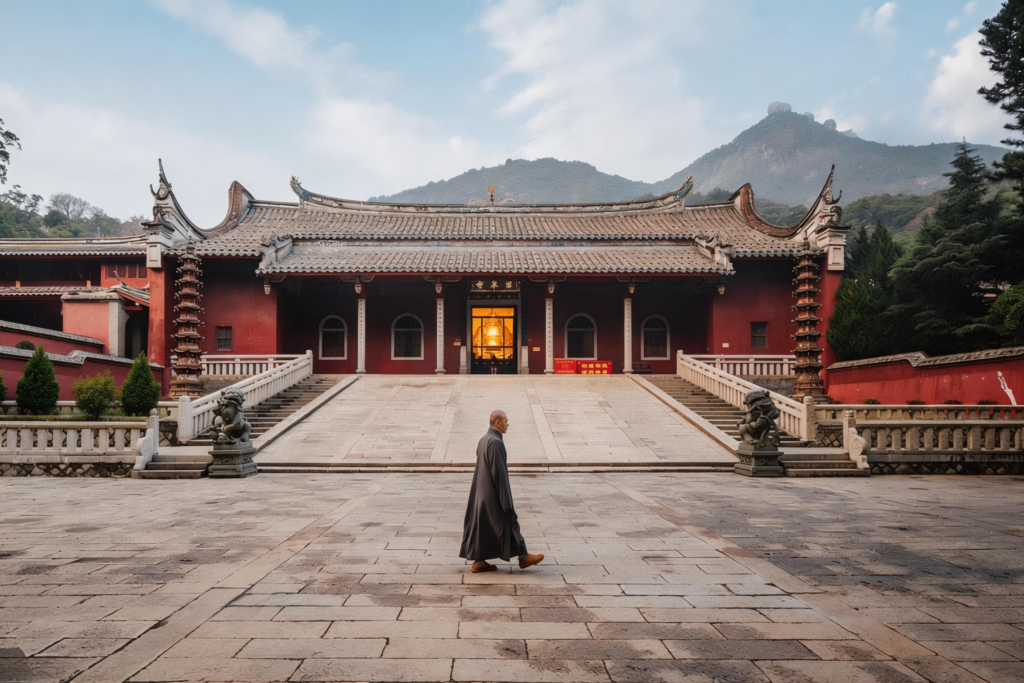
Yongquan Temple on Drum Mountain, guarded by a Kangxi Emperor plaque, offers cloud views along stone staircases and the mysterious experience of “entering the mountain without seeing the temple.”
Yantai Mountain is a food exploration destination. By day, wander among red-brick colonial buildings, easily capturing film-style photos; by night, enjoy light shows and impromptu performances by street singers.
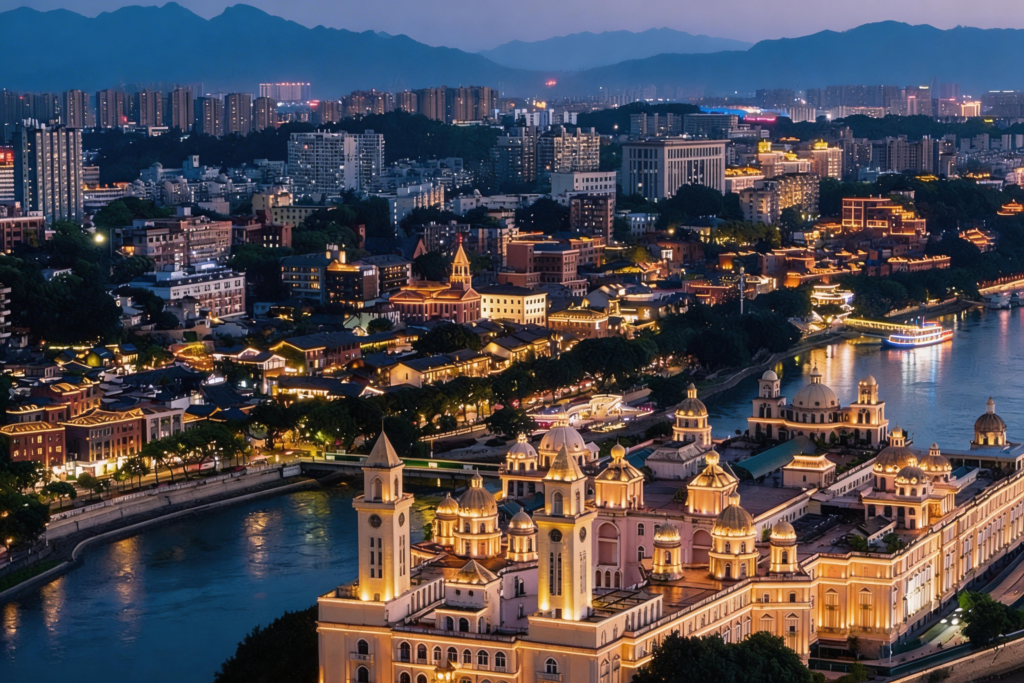
Xiamen, a coastal tourist city, features Gulangyu Island and Xiamen University as core attractions, with satay noodles and peanut soup as specialty foods, blending modern vitality with overseas Chinese village charm.
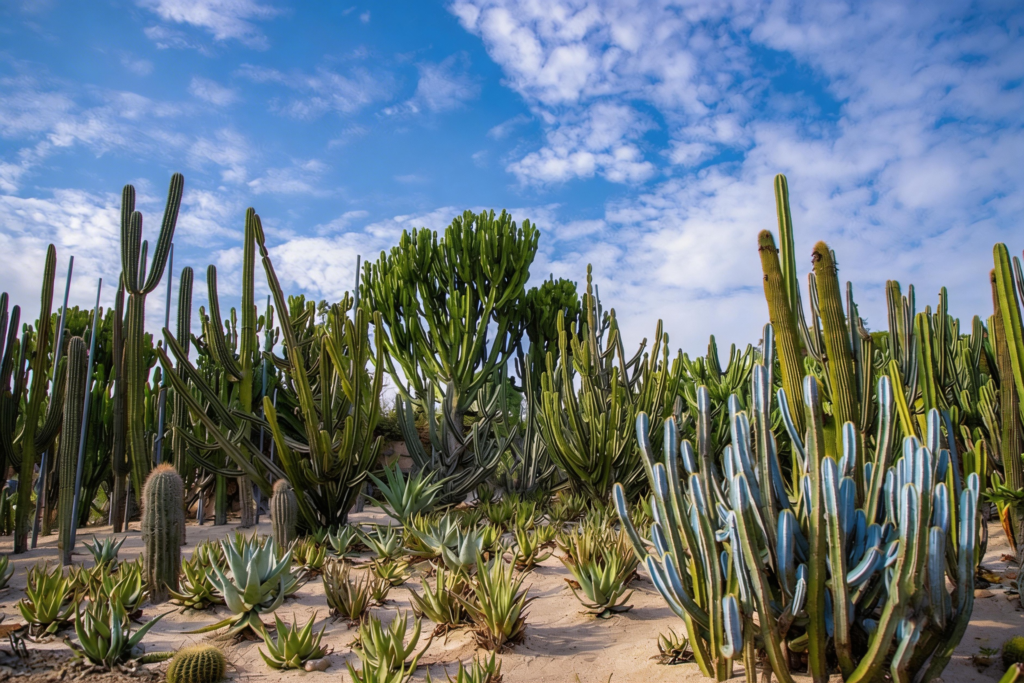
Xiamen Botanical Garden, a succulent kingdom + rainforest world, offers coconut breeze views from the rooftop—heaven for plant enthusiasts.
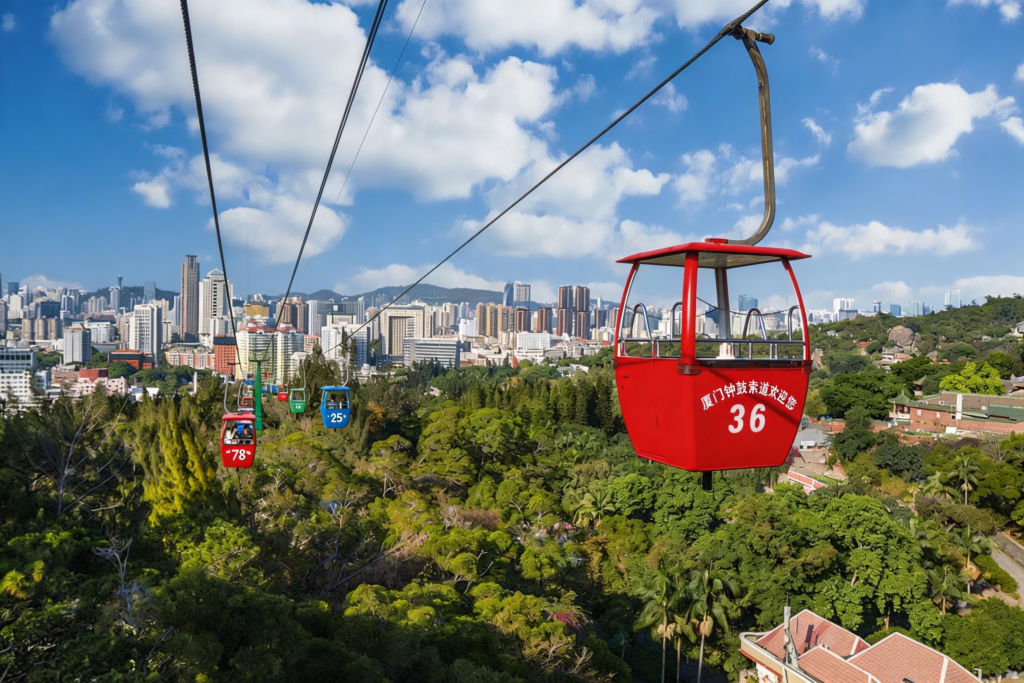
Zhonggu Cable Car crosses mountains and sea in 3 minutes, with white sails on Lujiang below and views of Xiamen’s blue Egret Island from above the clouds.
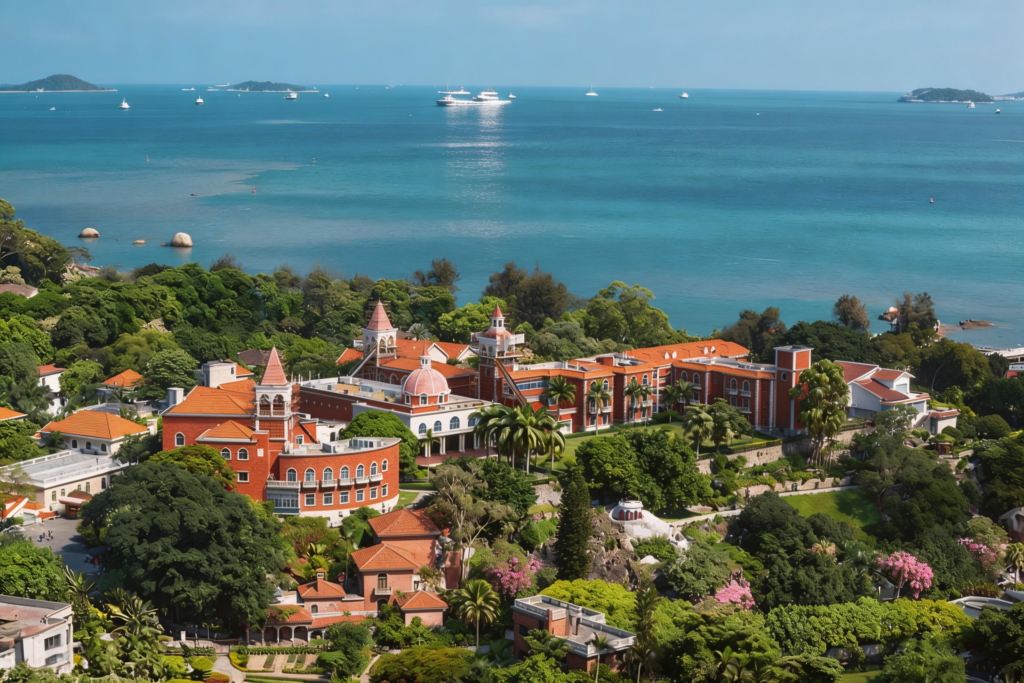
Stroll through Gulangyu Island’s Shuzhuang Garden and Longtou Road, listen to street piano performances, and experience the “World Architecture Expo” and boutique shops.
Zhongshan Road’s Minnan arcades are worth visiting. Enjoy a steaming bowl of satay noodles with various seafood snacks—you’ll be unable to stop eating while exploring.
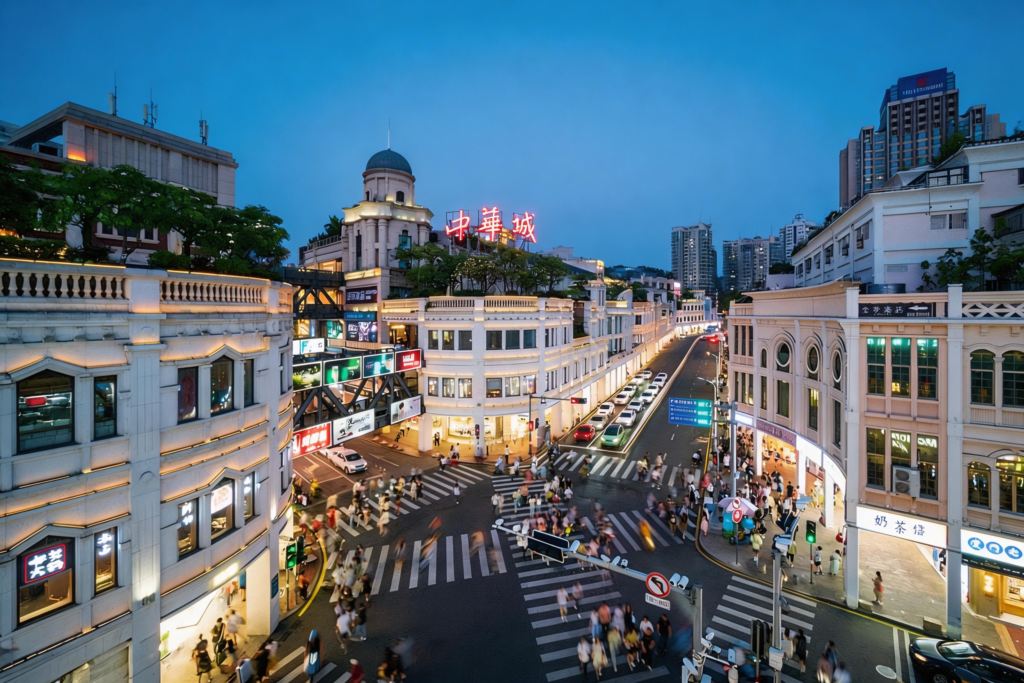
Quanzhou was historically the starting point of the Maritime Silk Road. Kaiyuan Temple and Qingjing Mosque witness diverse religious cultures, while oyster omelets and sea worm jelly highlight Minnan flavors. It ranks first in economic strength in the province.
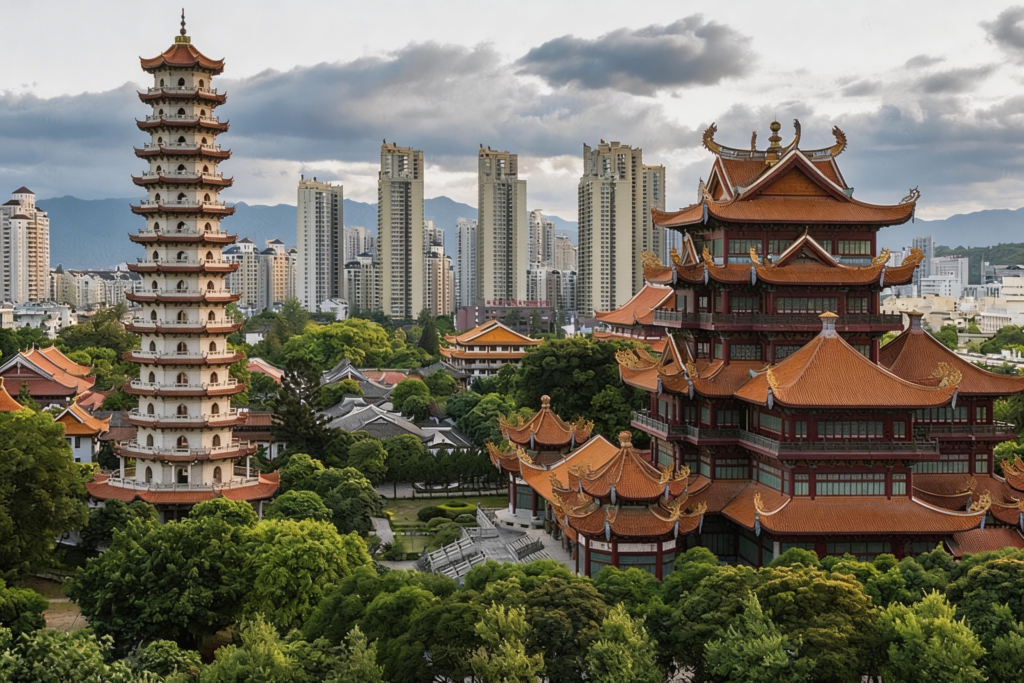
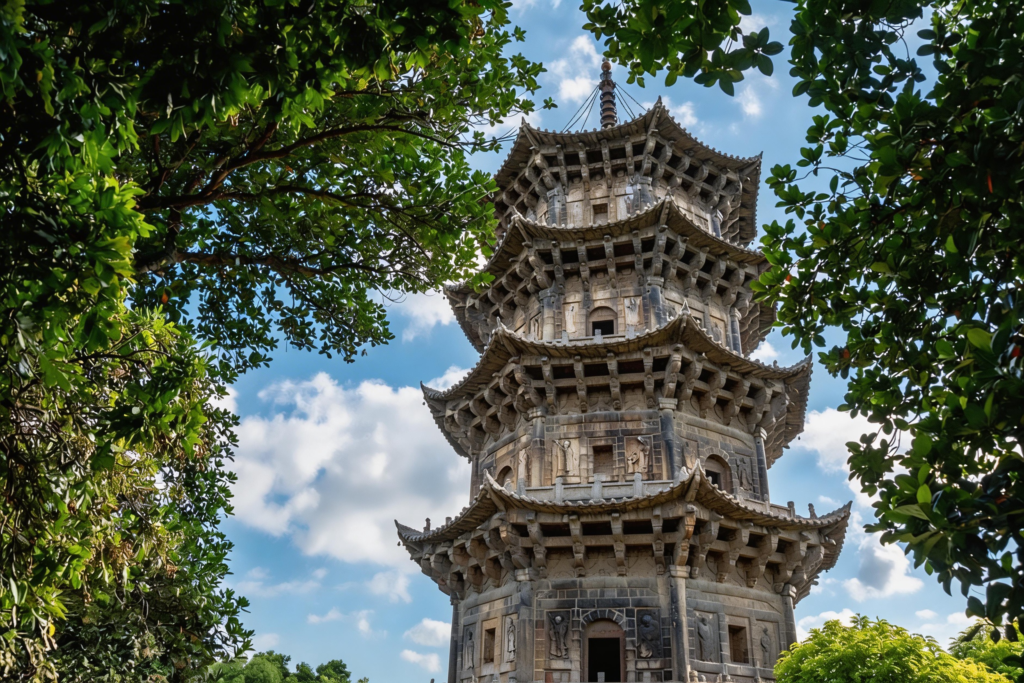
Kaiyuan Temple, founded in the Tang Dynasty, has the Mahavira Hall—one of the largest existing Tang Dynasty wooden structures. Participate in Buddhist activities and experience the religious culture of the Song-Yuan Maritime Silk Road starting point.
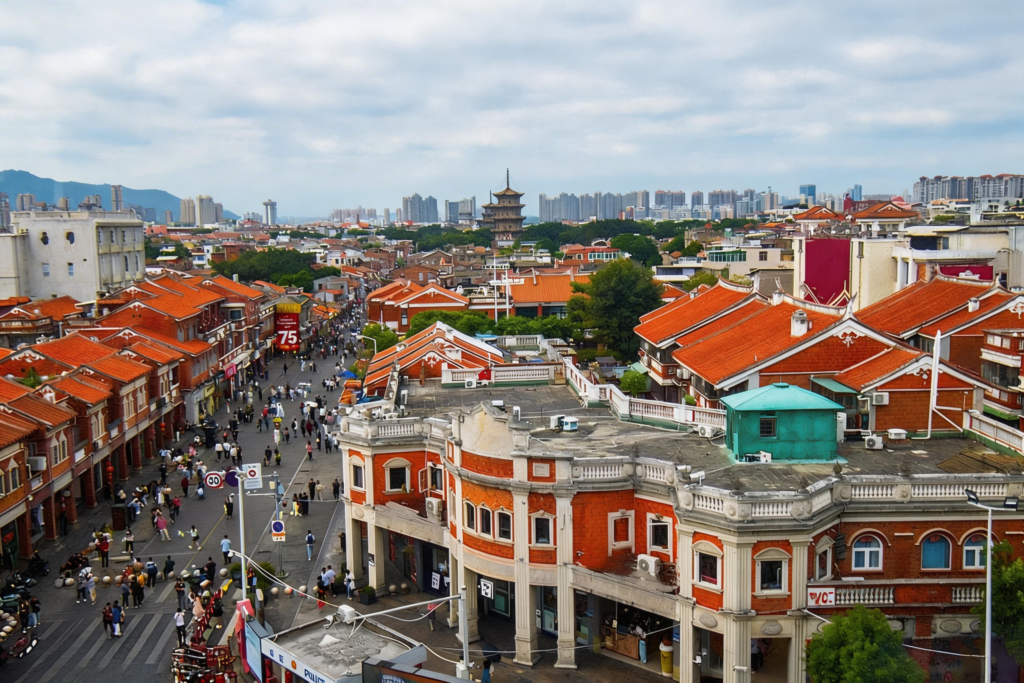
West Street comes alive at night with lantern markets. Historically Quanzhou’s commercial center, it’s the perfect place to enjoy authentic local cuisine.
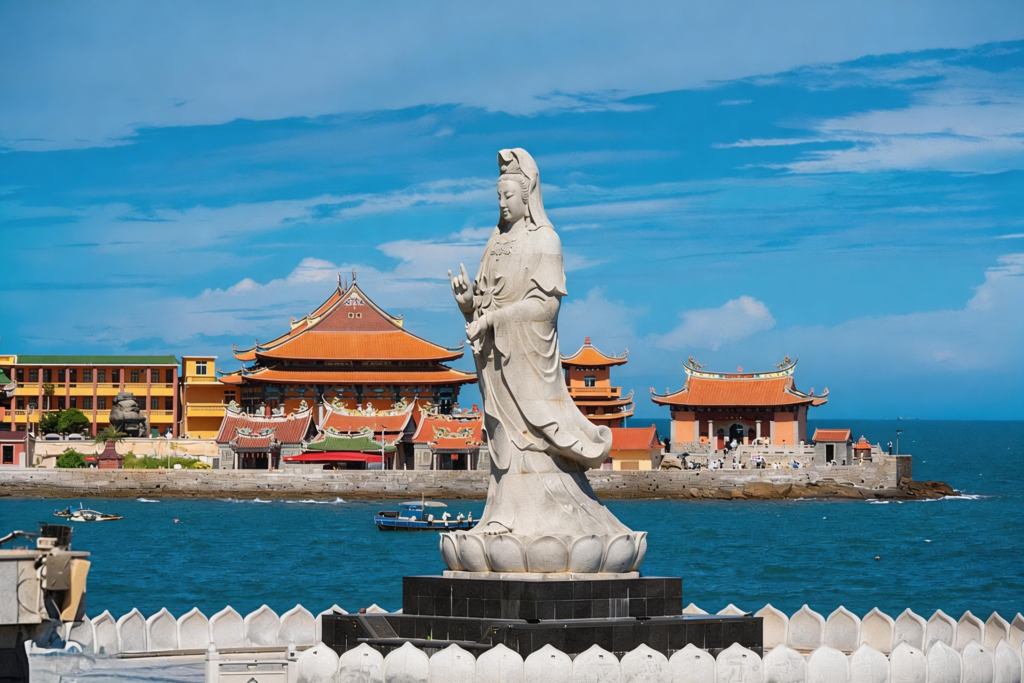
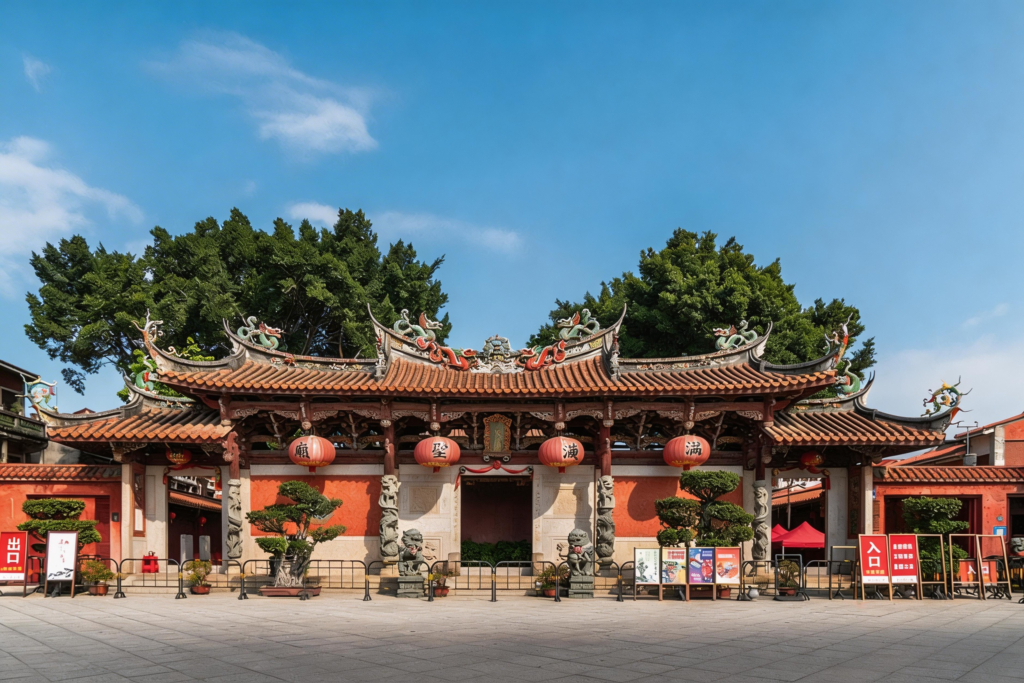
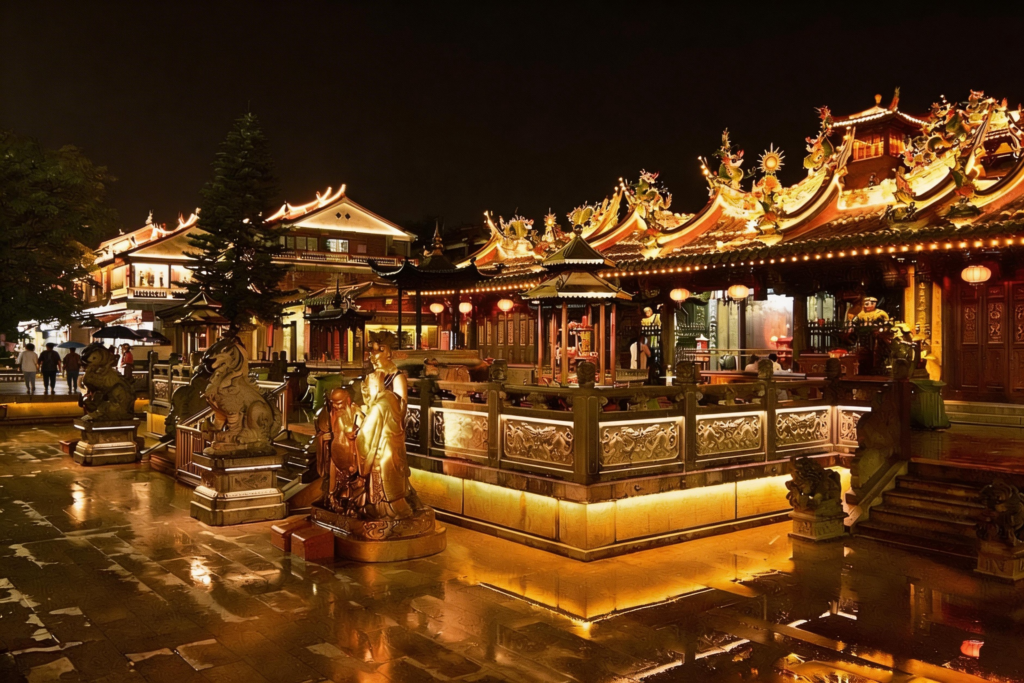
Tianhou Temple: Worship Mazu’s golden statue, watch string puppet shows, participate in Mazu’s birthday celebrations, and learn about Minnan opera.
Guanyue Temple, Asia’s largest Guandi Temple, features a resplendent Qing Dynasty main hall dedicated to the Martial Saint, integrating Confucian, Buddhist, and Taoist cultures.
Luojia Temple sits amid mangrove wetlands and the Sea Guanyin statue. The Golden Coast is ideal for birdwatching and photography, exploring Quanzhou’s largest coastal resort area.